I didn’t start running because it looked good on Instagram. I started because of the people, the conversations and the red-faced joy of showing up.
I’ve been running for well over ten years now and I’ll be the first to admit I’m still not a natural. I don’t float along effortlessly, I’ve never been the fastest in the group and running has always felt like something I’ve had to choose, again and again.
But the thing that kept me coming back, especially in those early years, wasn’t the training plans or the races. It was the people.
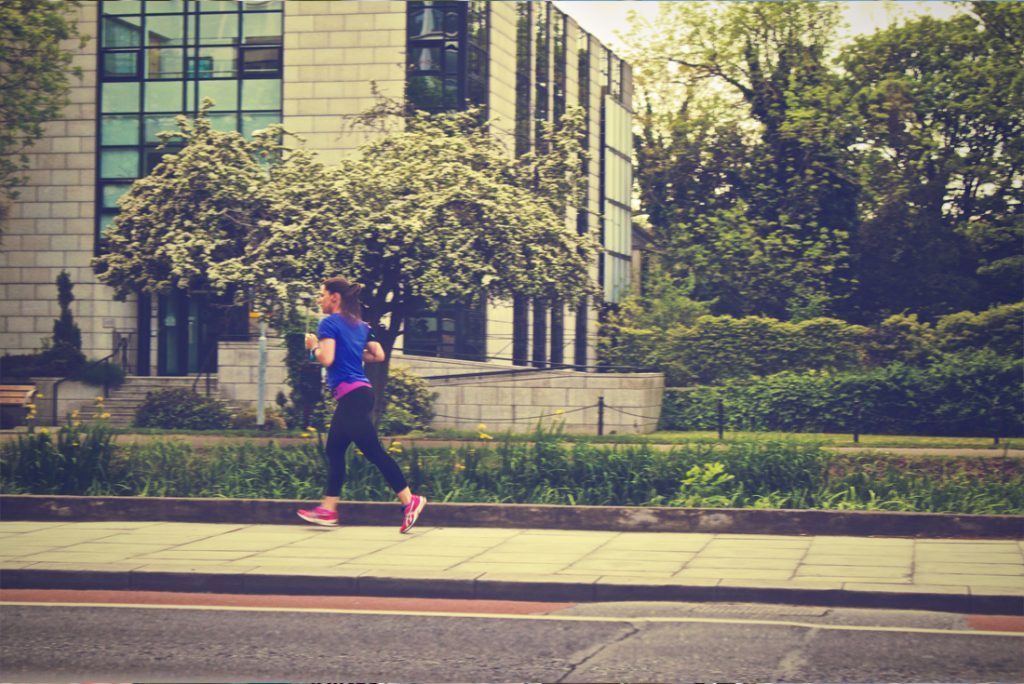
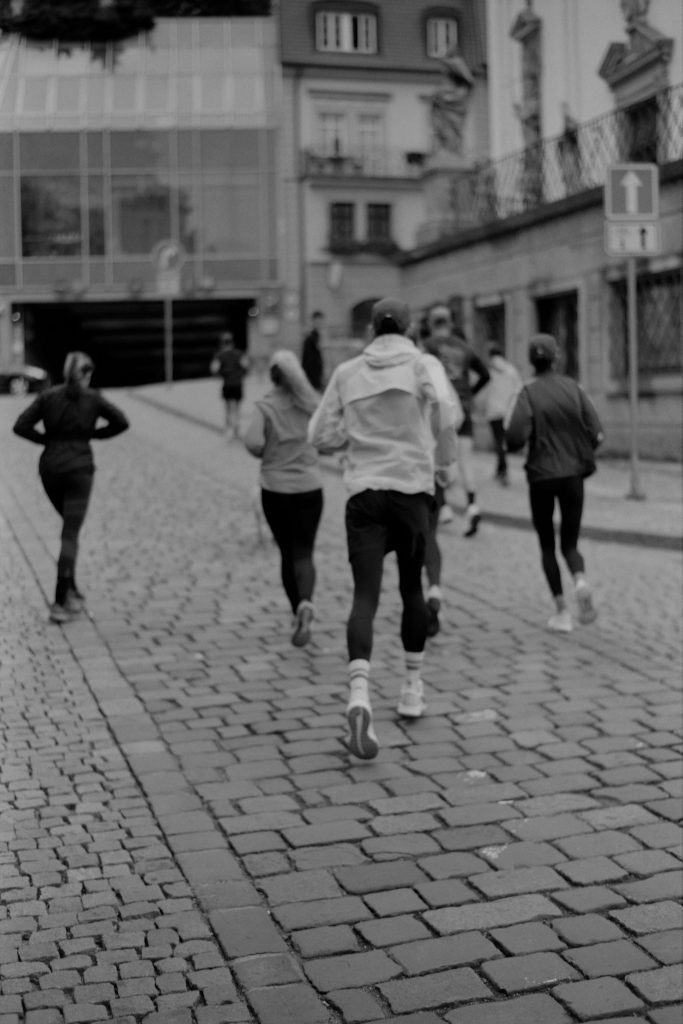
Back then, running was social in the simplest way. We’d meet after work as a small group, often in whatever old race tee happened to be clean. There was no pressure to look a certain way, no expectation other than turning up. We’d run, we’d chat, sometimes we’d moan, sometimes we’d laugh, and that was kind of the point.
If there was a photo, it was usually one slightly blurry group shot at the end, sweaty, red faced and unfiltered. Or maybe filtered, but only because Valencia made everything look a bit warmer. The run itself wasn’t content. It was just a run.
From Valencia filters to 0.5 videos
Fast forward to now and the running world looks very different.
Run clubs are everywhere, which in many ways is brilliant. Running feels more accessible, more social, more visible than ever before. There are more women running, more community spaces, more opportunities to find your people through movement and that genuinely matters.
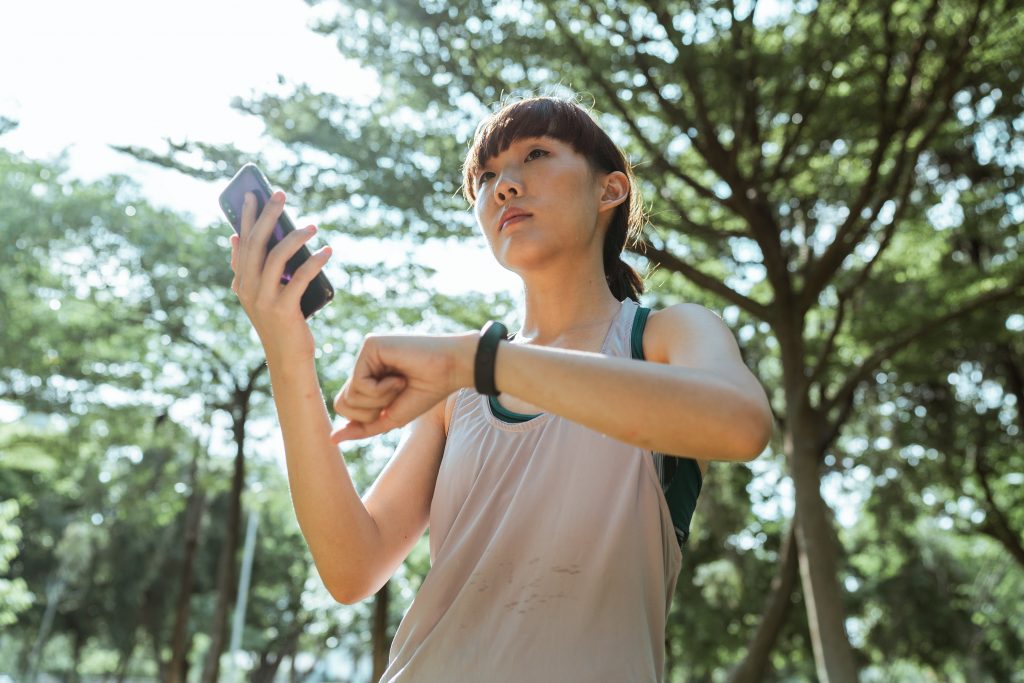
These days, the run often feels like the backdrop to everything else. Matching sets, the latest trainers, the must haves. PureSport socks, post run matcha, the perfectly timed 0.5 video. Phones come out almost immediately. Some runners arrive already thinking about the clip, the angle, the caption. A few even turn up with their own personal videographer.
And chatting on the run, the thing that once held it all together, feels increasingly rare.
When presence became performance
Somewhere along the way, running stopped being something we did and started being something we showed.
I don’t say this as a criticism of individuals – I post my runs too. I like nice kit and I really understand the pull of documenting something that makes you feel good. Social media has done a lot of positive things for running, especially for women. It’s made it feel cool, visible and aspirational in ways it never used to be.
But I do sometimes wonder what gets lost along the way.
When the focus shifts to how a run looks, rather than how it feels, something changes. Running becomes a performance. Production replaces presence. The need to capture the moment drowns out those much needed conversations and the simple feeling of feeling present alongside someone.
There’s also a growing sense that the run itself has become secondary to the promotion around it. Tagging brands, listing kit, making sure the right names are visible in the frame. Sometimes it feels like the focus is less on running, and more on being seen running.
The quiet pressure to belong
It also subtly raises the bar for belonging.
If you don’t have the right kit, the right pace, the right look, do you still feel like you fit in? If you turn up just wanting to move, to chat, to clear your head, does that still feel enough? And if no one films it, does it still count?
For newer runners especially, that pressure can be real. Running used to be one of the few spaces where effort mattered more than aesthetics. Now, it can feel like you need to look like a runner before you can call yourself one.
To me, that feels like a shame.
Holding on to what matters
I don’t want running to go backwards. I don’t want to lose the energy, the creativity or the community that social media has helped build. But I do want to hold onto the parts that made me fall in love with it in the first place.
The conversations that unfold mid-run. The feeling of turning up as you are. Wearing an old race tee! The runs that don’t need documenting to be worthwhile.
Maybe there’s space for both. Running that’s shared and running that’s private. Content and connection. Style and substance.
I just hope we don’t forget that, at its core, running was never about performance, it was about feeling.
I’m curious, has social media made running better, or just louder?