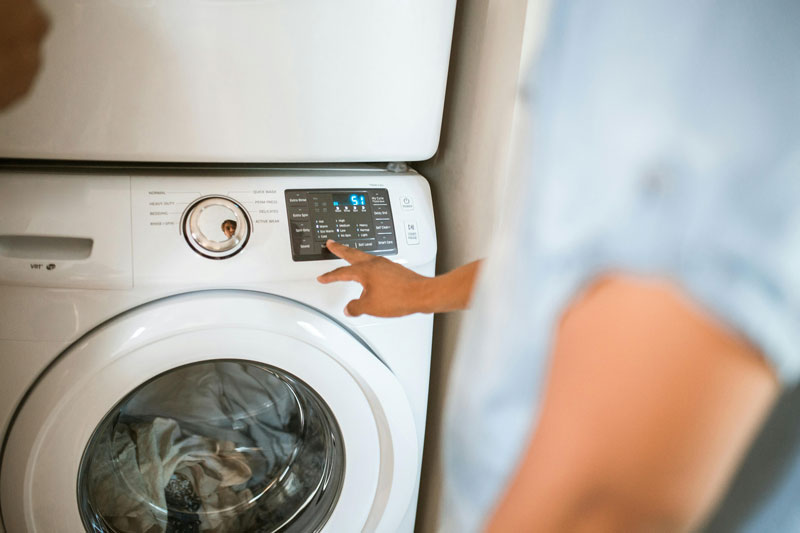
The other day my friend and I found ourselves chatting about laundry. Because that is apparently what happens once you reach your forties. Forget wild nights out. Now we bond over the new M&S laundry detergent and stubborn stains. We got onto the never ending pile of sweaty running leggings and sports bras. She casually mentioned that she keeps all her exercise kit separate until she has enough for a full load, because she uses a special sportswear detergent. Honestly I just throw mine in with whatever is in the basket and a random squirt of regular detergent.
Obviously curiosity took over. Off I went to uncover the do’s and don’ts of washing running clothes. Turns out there are a few things we can do to help keep our favourite kit smelling fresher for longer and lasting more than a couple of marathon training blocks.
What temperature should you wash sweaty running clothes at?
Different fabrics need different care. Cotton running tops and socks can usually handle higher temperatures which helps get rid of stubborn odours and bacteria. Most of our technical synthetic gear, like leggings and race tees, prefer a gentle wash at 30C. Anything hotter can damage the fibres, which makes them less sweat wicking over time. Always check the care label because the brand knows best when it comes to keeping your kit in top condition.
Do I really need to wash my kit properly or can I just rinse it?
A quick rinse might feel like the easy option when something is only lightly sweaty. Sadly water alone will not break down sweat and body oils. That is what creates those delightfully musty smells we all know and love after a long run. Wash your running gear properly after each use if you can. The longer it sits unwashed, the harder it is to save later.
Should runners use a sports specific laundry detergent?
Short answer yes, if you can. Sports detergents are designed to break down the bacteria and odours that cling to technical fabrics. They also help protect Lycra from losing elasticity. That means leggings that stay snug and supportive, not baggy around the bum after three washes. You can pop non sports clothes in the same load, so you do not have to wait ages for a full sports wash. Just do not overload the drum. Synthetic fabrics prefer a bit of space to move around, around half a load works well. H
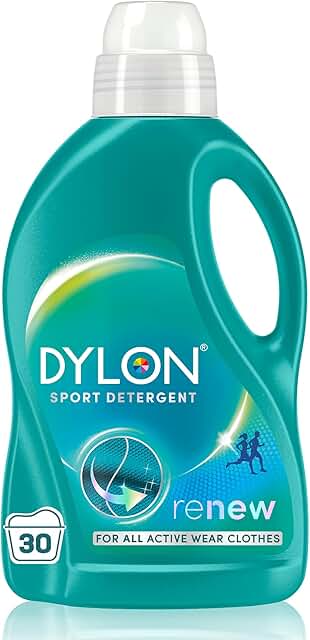
Dylon Sport Detergent
Keep your running kit fresh with Dylon Sport Detergent. Designed for synthetic fabrics, it tackles odours, protects fibres and revives colours.
Kinder to the planet with 97 percent biodegradable ingredients and a recyclable bottle.
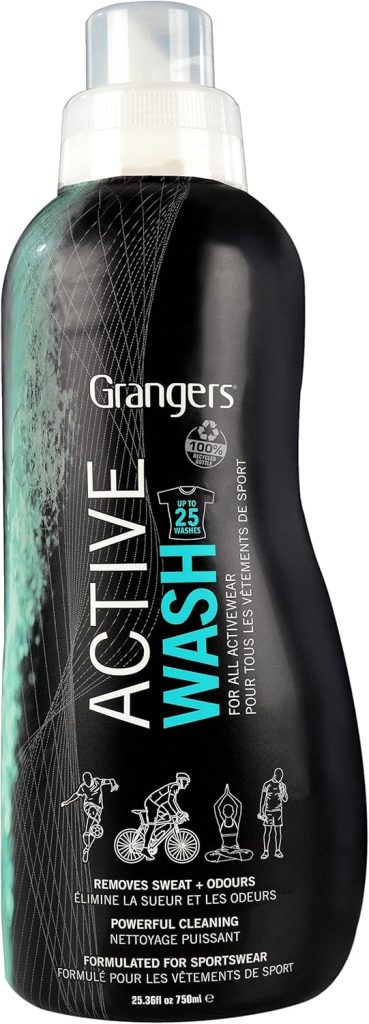
Grangers Active Wash
Removes stubborn sweat odours instead of masking them, improves moisture wicking and helps kit dry faster. Gentle on technical fabrics like polyester, Lycra and merino yet tough on smells.
Perfect for running gear, gym kit and everyday activewear.
How to wash waterproof running jackets and outer layers
Waterproof and windproof running jackets need a little extra love. Stick with a gentle cycle and a specialist outdoor detergent. Many washing machines now have an outerwear setting which helps protect the fabric coating. Every so often you will want to reproof the jacket with a waterproofing treatment which keeps the rain rolling off and stops that soggy feeling on the inside. Again you can add your product link here.
Help, my running kit still smells even after washing
We have all been there. The kit comes out of the machine still smelling like mile 20 of a marathon. Once that stink sets in it is harder to shift. Washing regularly at the highest temperature allowed for the garment can help kill off bacteria. Sports detergents usually include clever odour fighting enzymes which break everything down more thoroughly. Air dry items quickly after running too as leaving them balled up in a damp heap is basically a bacteria spa day.
Can you tumble dry running clothes?
Always check the label. Some technical fabrics are fine on a low heat. Others can lose their shape or damage the fibres in a dryer. If in doubt, air dry. It is gentler, energy saving and there is less chance of shrinking your favourite leggings into child sized hot pants.
Should I use fabric softener with sportswear
It feels counterintuitive but avoid fabric softener on your running gear. It can clog synthetic fibres and stop them wicking away sweat. It can also mess with waterproof coatings on jackets. Good detergents already include ingredients that keep fabrics soft. So skip the softener and stick to what your kit needs to perform well.
Can you wash running shoes in the washing machine?
Technically some trainers can handle it but it depends on the brand and the materials. There are even washing machines with a trainers setting now. If you do give it a go, pop them in a laundry bag and use a gentle cold cycle. Insoles can usually stay in. Personally I try to hand wash mine if they are muddy. A quick scrub, remove laces and dry at room temperature never on a radiator as that can warp the shoes.
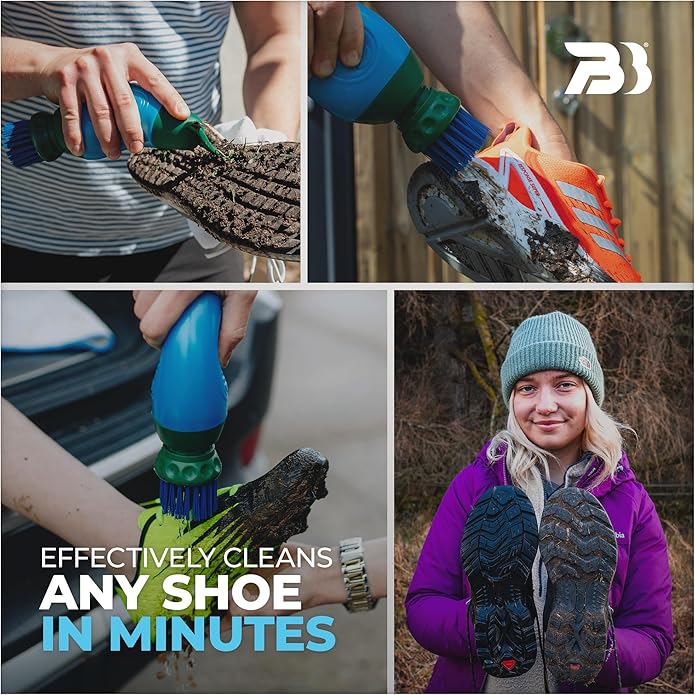
Keep Your Trainers Clean
If your shoes are more mud than trainer after a rainy run, give them a quick scrub before washing. I love using Boot Buddy because it gets rid of the worst dirt fast and makes cleaning way easier.